


Kutaisi is the second-largest city in western Georgia, the parliamentary capital, and one of the oldest cities in Europe. Located between Tbilisi and Batumi, it is considered the country's third-most-popular resort. If you're planning a trip and wondering what to see in Kutaisi, you should definitely set aside at least a day or two. The ancient streets, temples, bridges, cozy squares, and warm Georgian hospitality will surely not disappoint.
What to See in Kutaisi — Top 12 Attractions
If you’re planning a journey through western Georgia and want to know what attractions in Kutaisi are worth seeing, this ancient city will undoubtedly surprise you. It is home to unique temples and monuments listed by UNESCO, and impressive natural locations also surround it. Kutaisi blends history, culture, and the atmosphere of modern Georgia. It is a must-visit for anyone wishing to see the country from a deeper and more unusual perspective.
1. Bagrati Cathedral
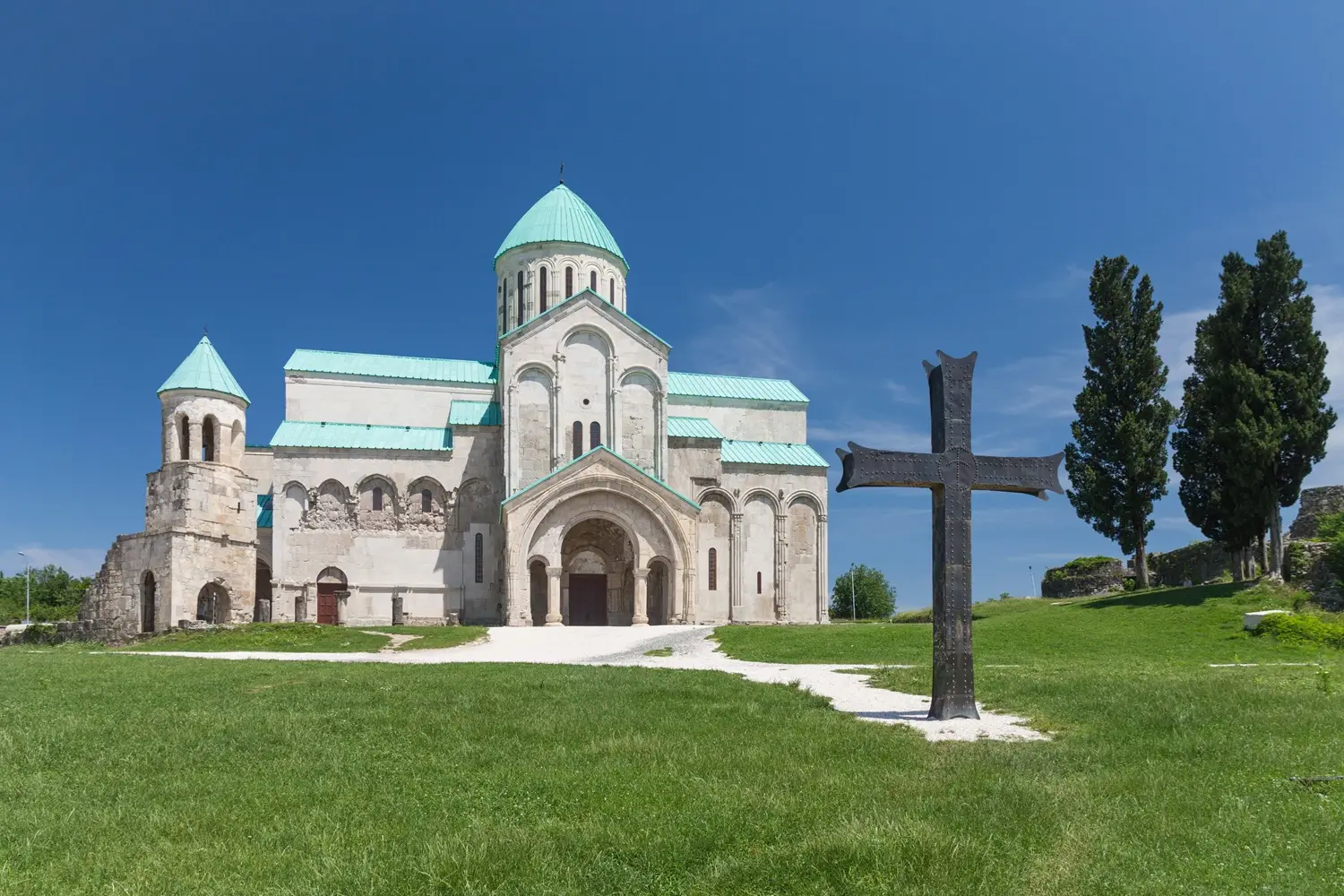
In Kutaisi, the Bagrat Cathedral is visible from almost any point in the city. It impresses with its size and history, dating back to 1003. The Dormition of the Mother of God Cathedral, built under the orders of King Bagrat III as a symbol of united Georgia, is richly decorated with carvings, mosaics, and frescoes, and was for a long time one of the largest temple complexes in the country. In 1089, David IV the Builder, one of the greatest Georgian rulers, was crowned here. After centuries in ruins, the cathedral was restored with UNESCO's help and is now open to residents and visitors. The cathedral sits on Ukimerion Hill, surrounded by a fortress wall, and cows often graze nearby, adding a special charm to the place. You can reach it by car (there is parking near the observation deck) or by walking up the scenic path.
2. Gelati Monastery
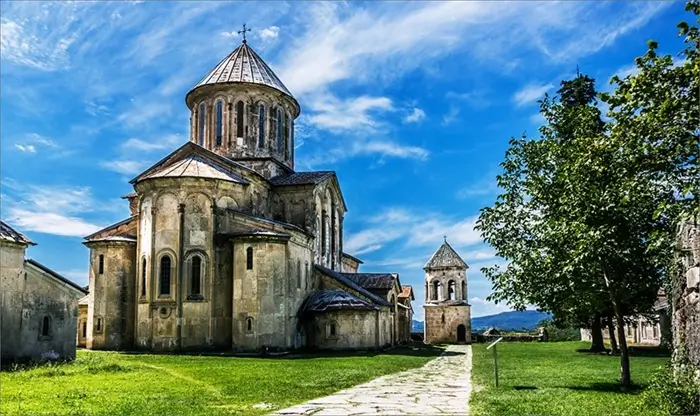
The Gelati Monastery is one of Georgia’s most important spiritual and historical symbols, located in the picturesque hills of Imereti, just a few kilometers northwest of Kutaisi. Founded by King David IV Agmashenebeli in the 12th century, it was once a royal monastery and burial site for Georgian kings. Today, Gelati is a UNESCO World Heritage site and is considered one of the best examples of medieval Georgian architecture. The famous Gelati Academy, a center of education and science, was located here, where books were copied, works were translated, and original pieces were created. The main church houses a stunning mosaic of the Virgin Mary and unique frescoes from the 12th-13th centuries, depicting King David the Builder and other remarkable monarchs. The atmosphere here is peaceful and reverent, blending history, faith, and culture in one space. To get to the monastery, you can take a bus, minibus, or train from Tbilisi or other cities. From Kutaisi, it’s about 9–11 km, and taking a taxi is the most convenient option, taking about 15–20 minutes.
3. Prometheus Cave
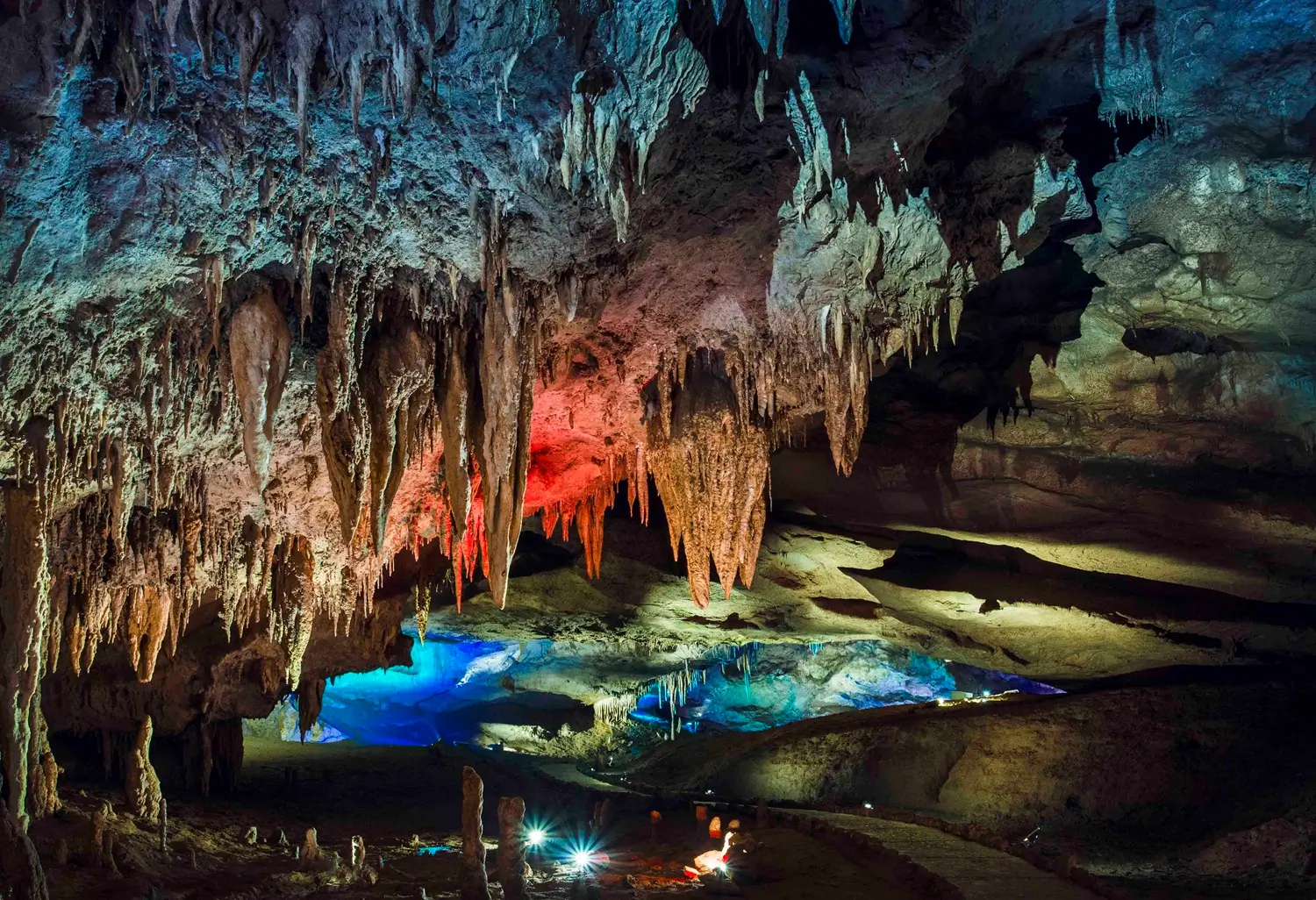
If you’re wondering what to see in Kutaisi, Prometheus Cave should definitely be on your list. However, it’s important to note that children under five are not allowed. One of the entrances was specially equipped for tourists, and today the walking route is illuminated by mini projectors, making the cave even more impressive and mysterious. This place is especially fascinating for those who have never seen karst halls and stalactites in person, showing just how awe-inspiring Kutaisi's attractions can be. Be sure to wear comfortable shoes and bring warm clothes, as it’s cool inside even during summer. To get to the cave from the center of Kutaisi, it’s about a 30-minute drive, or 1.5 hours by public transport with a transfer in Tskaltubo. A taxi ride costs around 60 lari, while a minibus costs about 25 lari.
4. Okatse Canyon
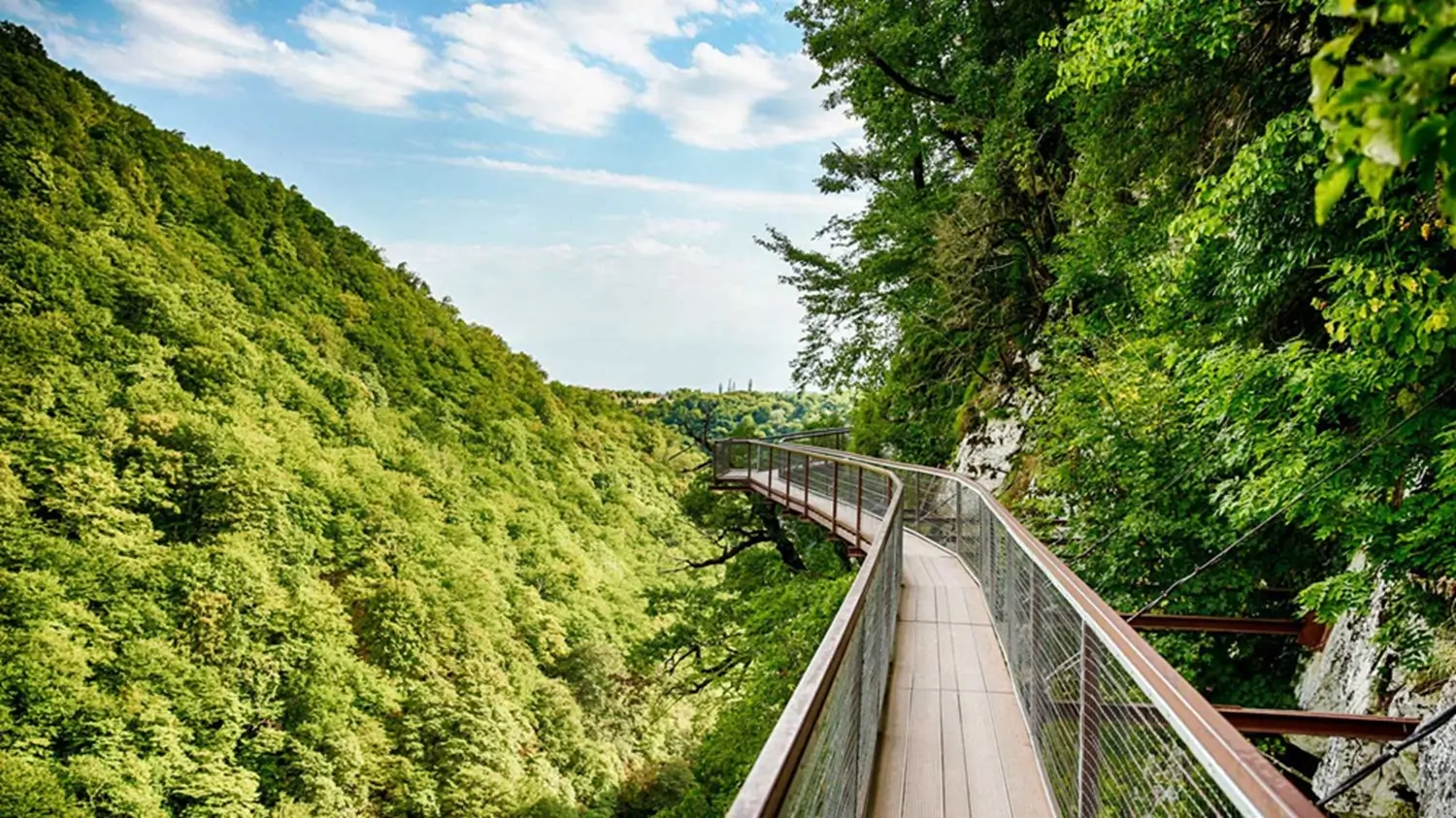
Okatse is an excellent option for hiking and thrill-seekers. The main trail of the canyon rises about 800 meters, equivalent to a 70-story building. The path runs along suspension bridges and observation platforms, offering breathtaking views of cliffs and the gorge. On clear days, the panoramic views of dense forests and mountains make the walk through the canyon unforgettable. You can reach Okatse Canyon via the Khoni–Matkhoji road: the trip from Kutaisi takes about an hour by car or a couple of hours by public transport. The excursion has age and height restrictions — it’s not allowed for children under 12 or those shorter than 120 cm.
5. Martvili Canyon
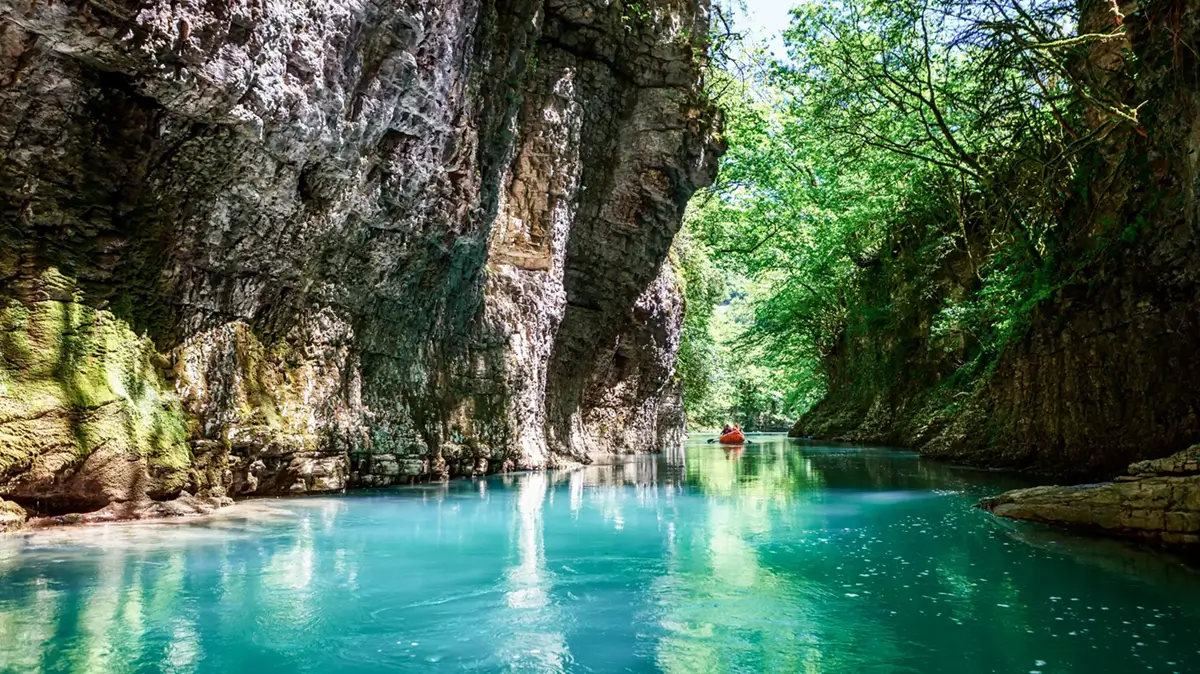
Martvili Canyon is one of the most stunning natural locations in Georgia and is among the top five most visited nature reserves in the country. Picturesque limestone cliffs, waterfalls, emerald-turquoise river water, and boat rides through these landscapes make it a truly magical place. The canyon, formed by the Abasha River, stretches about 2.4 km and features cliffs rising to 40 meters in some areas. You first enter a quiet, fabulous gorge with moss-covered walls, then suddenly come across a powerful 12-meter waterfall. The Martvili Canyon is easily reachable within an hour by car from Kutaisi or Zugdidi (50–65 km) and about 2.5 hours from Batumi. Most visitors combine the trip with a visit to Okatse Canyon or Prometheus Cave. Keep in mind that children under five are not allowed on boat tours.
6. Colchis Fountain
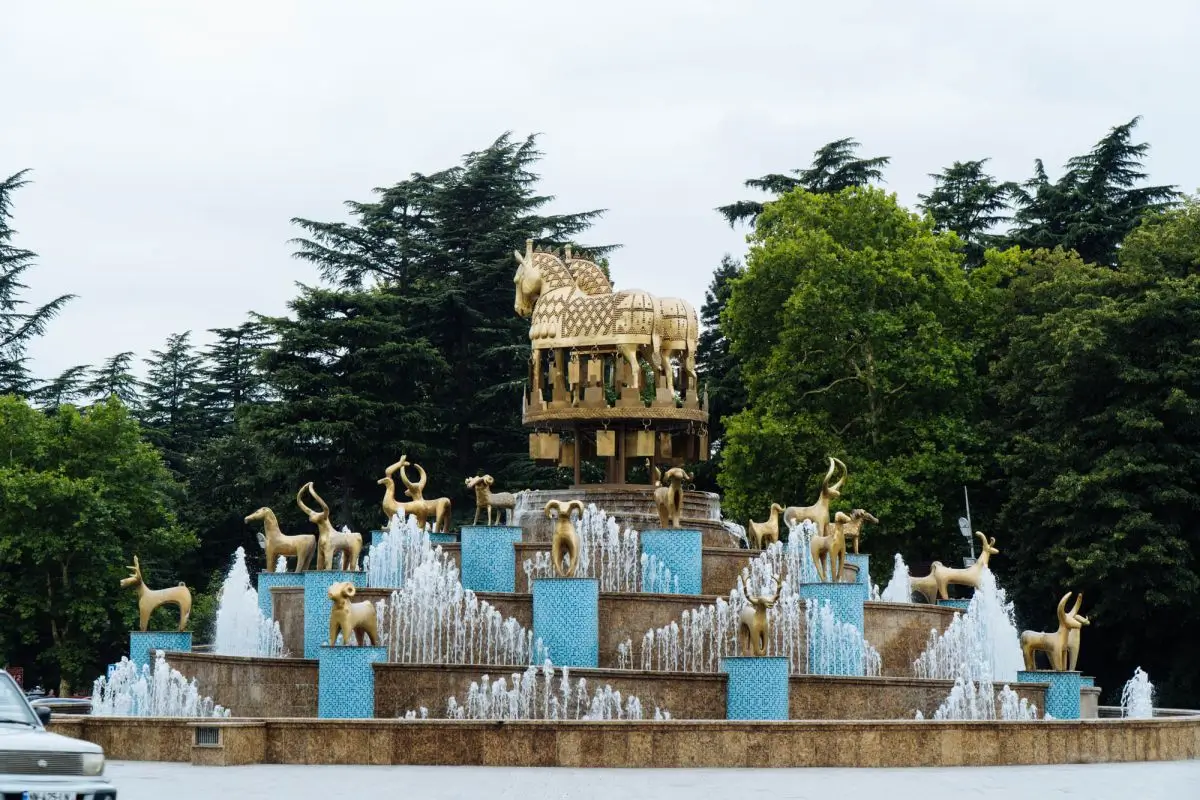
The Colchis Fountain is one of the most recognizable sights of Kutaisi, located in the city's central square. This multi-level fountain, designed by architect David Gogichashvili and opened in 2011, is adorned with 30 gilded animal figures — enlarged copies of bronze statuettes found in the Colchis Lowlands and other regions of Georgia. The composition is crowned with statues of golden horses belonging to the mythical King Aeetes. The fountain, faced with Kharaul stone and blue mosaics, is considered one of the most impressive in the country. It is located at a traffic circle, so it’s hard to approach it directly, but it’s clearly visible from the surrounding sidewalks.
7. Kutaisi Cable Car
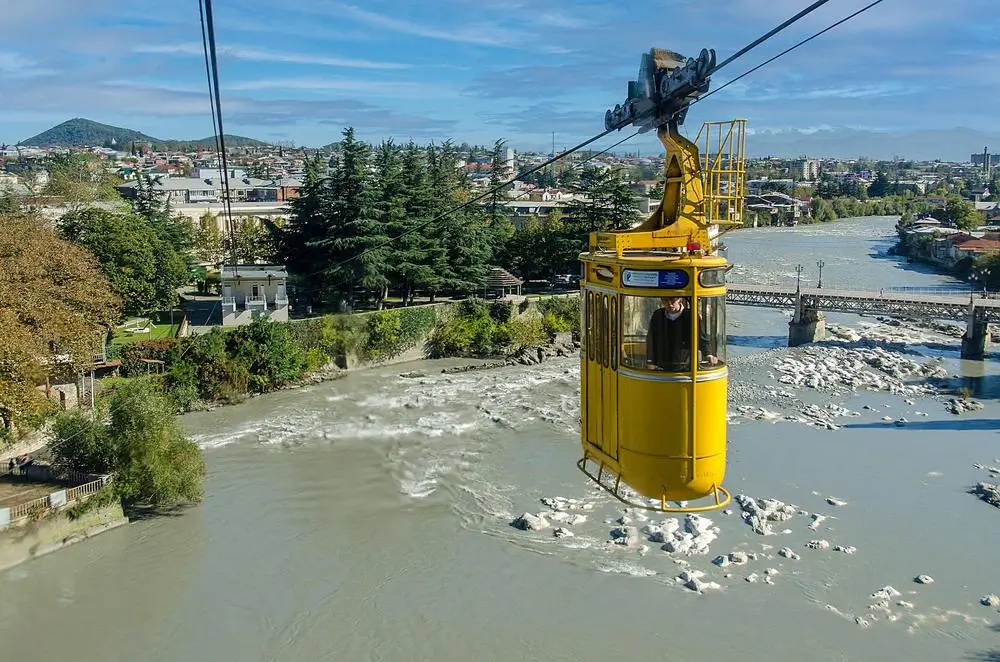
The cable car in Kutaisi connects two city parks: the one where the White Bridge is located and the Gabashvili Park. The Gabashvili Park has several attractions, and the sound of music from cozy cafes and restaurants is heard almost all day long. If you walk through the park to the end and look carefully, you’ll come across the road along Kazbegi Street, which leads to another iconic sight: the Bagrat Cathedral. The cable car itself has a somewhat vintage look, and its slightly rusty cabins might make some uneasy, but this adds a special charm to the ride. For those not afraid of the thrill, the cable car ride offers stunning views of Kutaisi from a bird’s-eye perspective.
8. Kutaisi Central Market
The central market of Kutaisi, often called the Green Market by locals, is the best place to experience authentic Georgian color and the atmosphere of Imereti. In the city center, the market occupies an entire block, with one of its main entrances on Paliashvili Street, near house No. 23. Since there are few supermarkets in Kutaisi, locals come here for truly fresh products and "tasty" souvenirs. At the Green Market, you can find:
- Local fruits and vegetables, including rare seasonal fruits;
- Different kinds of nuts;
- Homemade wines and Imeretian cheeses (people even come from Tbilisi to buy authentic sulguni);
- Fresh meat, aromatic spices, and sauces;
- Traditional sweets: churchkhela, gozinaqi, and more;
- Coffee and tea in bulk;
- Lavash and other delicious baked goods.
It’s the perfect place to buy edible gifts while immersing yourself in the vibrant atmosphere of a Georgian market: loud voices, smiling vendors, piles of fruit, and the scent of freshly baked goods. At the northern entrance to the market, you can also spot the so-called "House of Georgian Gaudí" — a unique building whose facade immediately reveals the architect's love for bold, imaginative forms.
9. Kutaisi History Museum
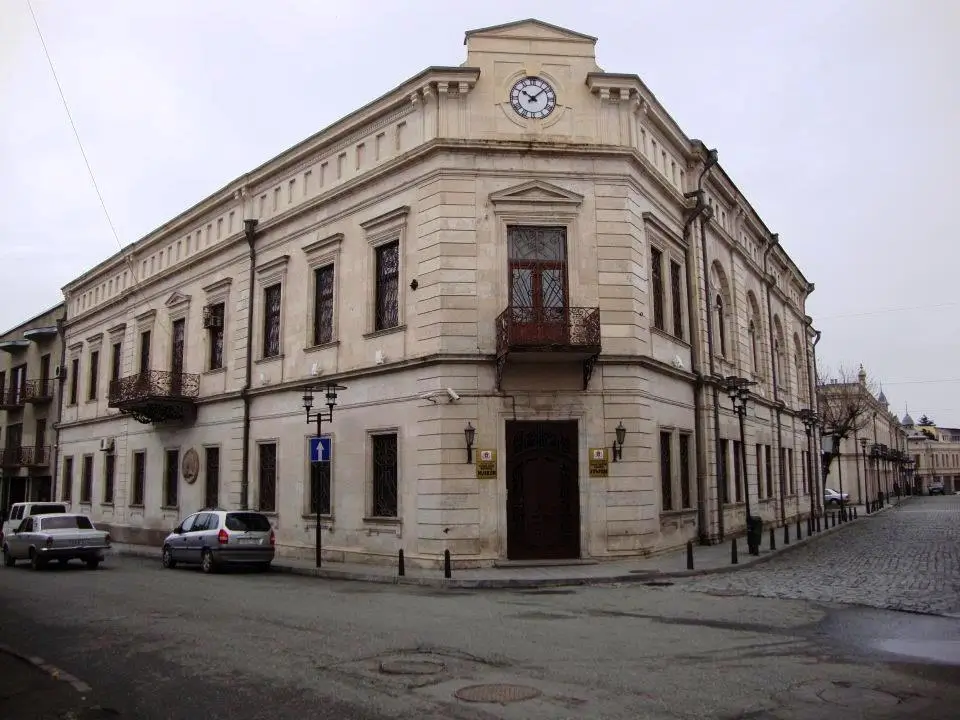
The Kutaisi State Historical Museum houses over 150,000 exhibits, including archaeological finds from Kutaisi and the surrounding area, rare artifacts from ancient times, and examples of medieval wrought-iron art. Founded in 1922, the museum is one of the most important repositories of artifacts from Imereti and western Georgia. In 2006, the museum was completely renovated to meet modern standards and is located in a historical building at 18 Pushkin Street, making it one of the most prominent cultural points in Kutaisi.
10. White Bridge
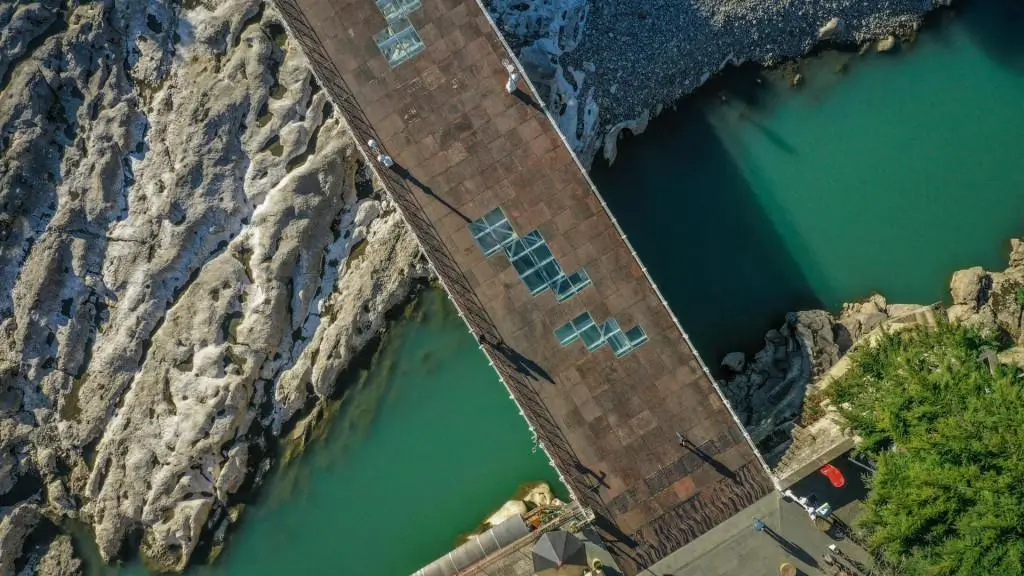
The White Bridge over the Rioni River is one of the main symbols of Kutaisi. Built in 1850 by military engineer Vite, it was later reconstructed, and in 1860, its railings were painted white, giving it its familiar name. The white stones beneath the arches, the lace-like railings, and the view of the old town create a sense of lightness, which attracts both locals and tourists. On the bridge's railings is a statue of a boy with two hats, dedicated to the ideal of art, and it has become another recognizable symbol of this place. A small park with a cozy cafe and a view of the Rioni River surrounds the White Bridge, and right nearby is the Royal Quarter from the 13th century, with the entrance marked by the Mon Plaisir arch.
11. Kutaisi Botanical Garden
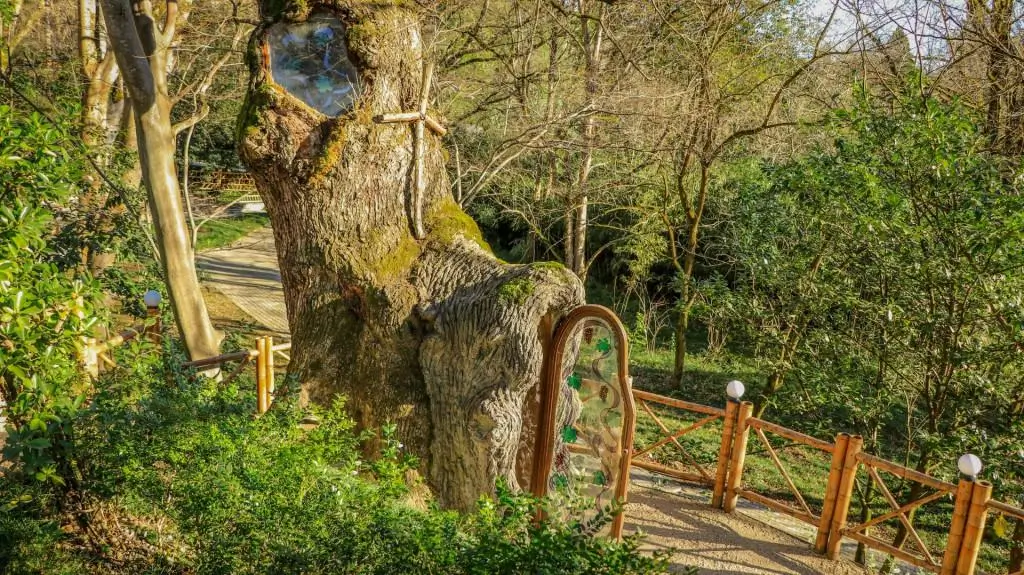
The Kutaisi Botanical Garden is a calm green corner where you can escape from the city’s bustle and summer heat. While it’s not as large or diverse as the Batumi Garden, its main attraction is a unique chapel created inside the trunk of a 400-year-old oak. With a diameter of about two meters, the tree can comfortably fit three people inside. This place looks both magical and cozy, making a stroll through the garden especially atmospheric.
Useful Travel Tips
Before heading out to explore the sights of Kutaisi, keep these valuable tips in mind for a comfortable and memorable trip:
- Plan your walks in advance, as Kutaisi is compact, but many attractions are located in the surrounding areas.
- Wear comfortable shoes. Most natural locations — canyons, trails, and observation platforms — require comfortable footwear for an enjoyable walk.
- Visit popular places in the morning to avoid crowds at the canyon, cave, or cable car.
- Try local products. The Green Market is the best place to buy delicious food and experience the region's taste.
- Keep the weather in mind. It’s hot in Kutaisi during the summer, but it’s cool in canyons and caves — bring water, a hat, and a light jacket.
- Choose experiences, not things. Suppose you’re in Georgia and want to treat your loved ones or yourself to something unique. Consider an online experience gift shop. In that case, it offers options for every taste and age, most of which are available in Tbilisi.
- If you want to bring back a special, memorable souvenir from your trip, consider a gift certificate: it’s a convenient way to choose experiences in Tbilisi, from peaceful to truly active.
And to make your journey through Kutaisi unforgettable, simply combine sightseeing with new emotions and little joys for yourself and your loved ones.


