


Sulfur baths in Tbilisi are a unique destination that combines centuries-old traditions with a rich history. They are an integral part of the city’s cultural heritage and attract tourists from around the world who wish to experience the healing power of sulfur waters. Today, Tbilisi’s sulfur baths remain a popular place for relaxation, offering visitors not only physical but also spiritual cleansing.
History of Sulfur Baths in Tbilisi
The hydrogen sulfide springs of Tbilisi are closely tied to the city’s history. Legend has it that King Vakhtang Gorgasali in the 5th century, while hunting, discovered the hot springs when an injured pheasant healed after drinking from them. This inspired him to found the city, which was named Tbilisi — “Warm City”.
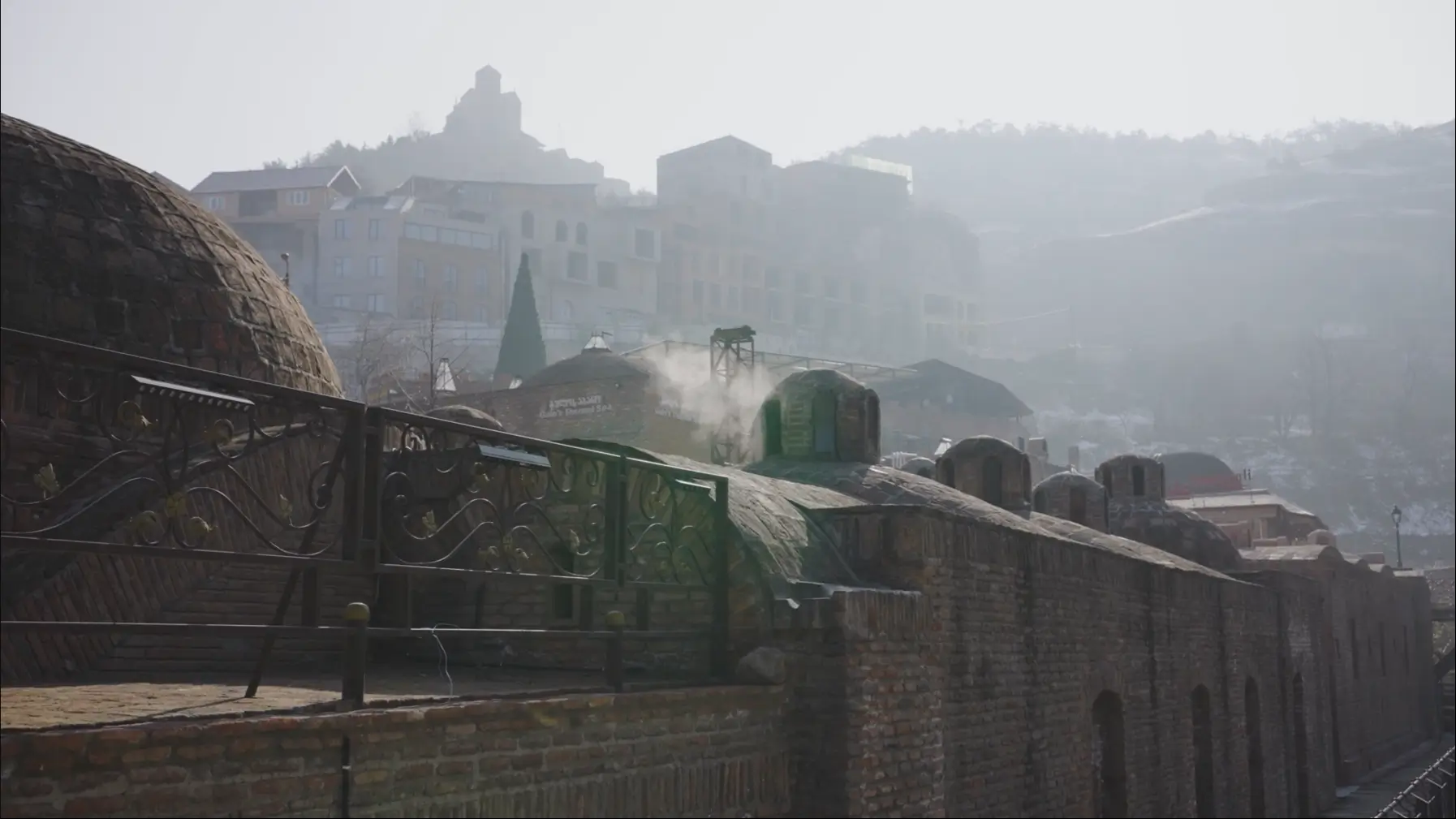
The first springs were found in the valley of the Tsavkisistskali River, where the oldest bath district, Abanotubani, emerged. Initially, the baths were stone basins carved into the rock, and only in the 17th century did dome-shaped buildings with mosaics appear. The domes were above ground, while the pools were underground.
Tbilisi’s sulfur baths have been rebuilt multiple times, yet dozens of baths from the 17th–19th centuries in Abanotubani still operate today, preserving their authentic Persian-style appearance. These baths remain an important part of the city’s cultural heritage and attract numerous tourists.
Traditions and Features of Sulfur Baths
Tbilisi’s sulfur springs, known for their unique healing properties, attract people not only due to their therapeutic waters but also because of their cultural heritage. Over the centuries, traditions associated with these baths have become an integral part of local life, connecting generations. In Tbilisi’s sulfur baths, attention is given not only to physical wellness but also to mental comfort. These places help restore harmony, reduce stress, and serve as centers for social interaction and relaxation.
Traditions of Tbilisi’s Sulfur Baths
- Bath massage — procedures with herbs and oils to relieve tension and improve blood circulation.
- Social interaction — an ideal place to strengthen friendships, family, and work connections.
- Spiritual cleansing — helps create a peaceful atmosphere and restore mental balance.
- Rituals with herbs and oils — natural remedies for skin care and maintaining health.
Features of Tbilisi’s Sulfur Baths
- Healing hydrogen sulfide springs — water with a unique composition and therapeutic properties.
- Dome architecture — buildings adorned with mosaics and marble finishes.
- Thick steam and warmth — perfect conditions for cleansing and relaxation.
- Thermal pools — restore energy and improve health.
- Historical significance — baths retain authentic elements from the 17th century.
The Best Sulfur Baths in Tbilisi for Relaxation
Tbilisi’s sulfur baths are the perfect setting for relaxing and cleansing the body. Every corner of these baths is filled with an atmosphere of calm and comfort, and the variety of services creates unique conditions for a full relaxation experience. If you want to spend time with a loved one, a massage or SPA session for couples is ideal, creating an intimate atmosphere and allowing complete relaxation.
Popular procedures include the Nirvana scrub massage, which provides an unforgettable sense of tranquility and peace. For those seeking a truly exclusive experience, the royal treatment is an excellent option. This comprehensive procedure focuses on deep cleansing and skin restoration, leaving you feeling fresh and comfortable all day.
In these baths, you will not only restore your energy but also enjoy every moment of your stay.
Popular Sulfur Baths in Tbilisi
1. Chreli Abano (Colorful Bath)
Address: 1st Abano Lane, 2
Also known as Orbelyanovska or Blue Bath, this is one of the most vibrant and beautiful baths in the Abanotubani district. Unlike many other underground baths, the Colorful Bath is above ground. Its facade is decorated with blue tiles, and the side towers resemble minarets, giving the building a unique atmosphere. A plaque displays a quote by A. S. Pushkin: “I have never seen anything more luxurious than the baths of Tiflis.” It is said that this quote referred specifically to the Colorful Bath.
Recently, the interior was renovated, offering 12 rooms with hot sulfur pools. There are simple rooms for two as well as luxurious rooms with cold pools, saunas, and cozy relaxation areas. The royal suite is particularly impressive, featuring a room with real snow, where temperatures drop to –25°C. In addition to sulfur baths, massages and scrubs are available for an extra fee.
Due to its popularity, it is recommended to book a room in advance through the official website to secure your spot.
2. Gulo Bath
Address: Grishashvili Street, 3
Gulo Bath is considered one of the cleanest baths in Tbilisi, where water in the pools is changed daily rather than weekly. This bath also gained fame because the singer Sting visited it. The room where he stayed can be booked, although it is the most expensive bath.
Gulo has seven rooms, most accommodating 5–6 people, with larger rooms for up to 12. All rooms have hot sulfur and cold water pools, showers, and changing areas. Note that the changing area and relaxation zone are in the same space, which may be inconvenient for mixed-gender groups. Higher-priced rooms offer additional amenities such as a sauna, and for an extra fee, guests can enjoy mekise — bath attendants who provide massages and scrubs.
3. King Erekle Bath
Address: Abano Street, 7
This bath is considered one of the most affordable in the district. It is easy to find, located opposite the Colorful Bath on the other side of the Love Bridge. King Erekle Bath has four rooms, each equipped with spacious hot and cold sulfur pools. One room also has an additional steam room for comfortable relaxation.
Although the interior is not modern — the old vaulted ceilings are decorated with yellow and blue tiles — the rooms are always clean, and prices are much lower than at Gulo or the Colorful Bath. For an extra fee, guests can order tea with jam and a relaxing massage. The massage is performed using kese — a special mitt made from wool, used to remove dead skin cells on steamed skin, without soap or other products.
4. Sulfur Bath No. 5
Address: Vakhtang Gorgasali Street, 3
Sulfur Bath No. 5 is one of the most popular public baths in Tbilisi, offering a variety of services and amenities. It has both public halls (separated by gender) and private rooms for a few people or suites. Public rooms are spacious, and the prices are among the most affordable in the city. However, note that the women’s section does not have a pool, only showers with adjustable sulfur water temperature.
Classic treatments such as kese scrubbing and soap massages with aromatic foam are available for a modest fee. Private rooms have hot pools, stone loungers, and spacious relaxation areas. For guests seeking luxury, rooms with cold pools and saunas are offered. The main feature of this bath is its Soviet-style decor, with vaulted ceilings decorated with colorful mosaics and each room having a unique pattern. Due to its location at the start of the bath district, booking in advance is recommended.
5. Bohema Bath
Address: Grishashvili Street, 11
Also known as Bath No. 7, Bohema Bath attracts visitors with spacious rooms and a cozy atmosphere. Each room has hot sulfur baths, and the decor includes colorful tiles, brick vaults, and mosaic-lined pools. Prices are moderate, but some rooms may need renovation. Such rooms are often significantly cheaper, so it’s best to check when booking or ask the administrator to show available rooms on-site.
For an extra fee, tea, soap massage, and traditional kese scrubbing are available.
Tips for Visiting Sulfur Baths
Tbilisi’s sulfur baths differ from Russian baths or saunas. The main distinction is the steaming method, which involves short immersion in hot pools, followed by cooling in cold water or a shower. After this, it is beneficial to rest and enjoy a massage or scrub. The steam also plays a role in cleansing, helping to open pores and improve bronchial and lung function.
Recommendations for visiting sulfur baths:
- Remove silver jewelry. Hydrogen sulfide can tarnish silver quickly, but the residue is easy to clean.
- Avoid visiting after a heavy meal or consuming alcohol. Alcohol increases the strain on the heart, which is not compatible with steaming.
- Choose your room carefully. Some budget rooms lack hot pools, offering only sulfur showers. For full steaming benefits, select a room with both hot and cold pools. Expensive rooms may include a sauna, but it is not necessary — the bath alone is sufficient.
- Book a session for one or two hours. Avoid staying in sulfur water for more than 15 minutes to prevent burns or overheating. Usually, you can immerse yourself three times during this period, with another 15–20 minutes for massage and scrubbing.
- Plan your visit at the beginning of the week. Water in the sulfur pools is typically changed weekly on Sunday, so early-week visits ensure better water quality.
- Bathing supplies are not included. Bring slippers, towels, and soap, or purchase them on-site for an extra fee.
- If bringing a small child, pay special attention to their condition, as infants have underdeveloped thermoregulation, making overheating dangerous.
Benefits and Risks of Sulfur Baths
The hydrogen sulfide springs in Tbilisi are known for their numerous beneficial properties; however, there are a number of contraindications that are important to know before visiting.
Among the positive effects are improved skin condition, making it more elastic and fresh, especially after a scrubbing procedure. Sulfur baths also help with joint diseases such as arthritis and arthrosis, and improve respiratory health. They contribute to body detoxification, promote relaxation, and relieve fatigue and tension. In addition, they are an effective way to cope with stress and low mood, as sulfur baths are not only a place for health improvement but also for relaxation and social interaction.
The water temperature in Tbilisi’s baths ranges from +37 to +40°C, which makes them less suitable for people with chronic illnesses. Bathing is contraindicated for individuals with acute cardiovascular or skin diseases, as well as for asthma sufferers and pregnant women.
Prices for Visiting Sulfur Baths in Tbilisi
Private rooms cost 100–600 GEL per hour, depending on amenities, sauna, or cold pool. Cheaper prices are available in deeper parts of the district. Public halls cost around 20 GEL, with no time limit. Some baths practice nudity during steaming, though it is not required.
Massages and scrubs range from 10 to 30 GEL, reaching 250 GEL in more expensive baths. Check room availability in advance, especially in popular establishments, to avoid surprises and select the best option for comfort and price.
Conclusion
Tbilisi’s sulfur baths offer a unique experience for relaxation and wellness, combining ancient traditions with modern amenities. Whether you seek calm relaxation or active restoration, these baths provide a variety of services for every taste.
If you want to give loved ones an unforgettable experience, visit Yolo, where you can purchase a gift certificate for a sulfur bath visit. Multi-gifts are also available, allowing you to combine several gifts into one, making the present even more unique and special.


